


AUTHOR
Dr. Crystal Sheffield
University of British Columbia
Crystal Sheffield is Associate Professor of History at the University of British Columbia. She is the author of Beyond the Boundaries of Childhood: African American Children in the Antebellum North. Her second book, Condemned: The Punishment of Black Children and the Evolution of Criminal Injustice in America is forthcoming with The New Press.

Just miles away from the site where Emmett Till was murdered by whites, the city of Clarksdale, Mississippi is perhaps best known as the home of the blues. It also played a significant role in the history of Black activism and the long freedom struggle. In many ways, it is a unique place, and for that reason it is incredibly difficult to capture on film. However, while Ryan Coogler’s film Sinners was not filmed in Clarksdale, it manages this almost impossible feat. With scenes that include a portrait of lush vegetation flanked by weathered homes, strikingly vast cotton fields, and a majestically transformed juke joint, Sinners beautifully, and hauntingly, embodies the rich African American history and culture of the Mississippi Delta.
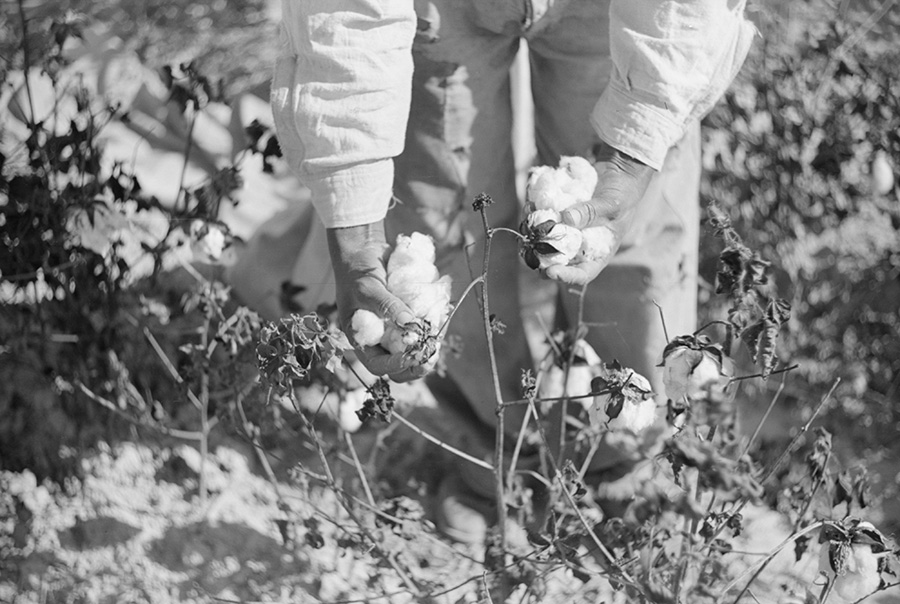
Figure 1. Picking cotton on plantation outside Clarksdale, Mississippi.
Source: Photograph by Marion Post Wolcott, Library of Congress
The houses in the first scene of the film are sharecropper shacks—home to formerly enslaved and their descendants who worked the land as tenant farmers, often to white, former enslavers. The twin’s juke joint evokes the clandestine music venues where Black performers and patrons enjoyed blues music free from racial violence and persecution at the hands of whites. The cotton fields exist as remnants of slavery and the plantation economy that dominated the region throughout the nineteenth century. The visual representation of Clarksdale, Mississippi looks almost identical to much of the region today. The juke joint bears a striking resemblance to the blues club Ground Zero, owned by actor Morgan Freeman. Sharecropping homes still exist, historically preserved. And cotton fields still surround the city.
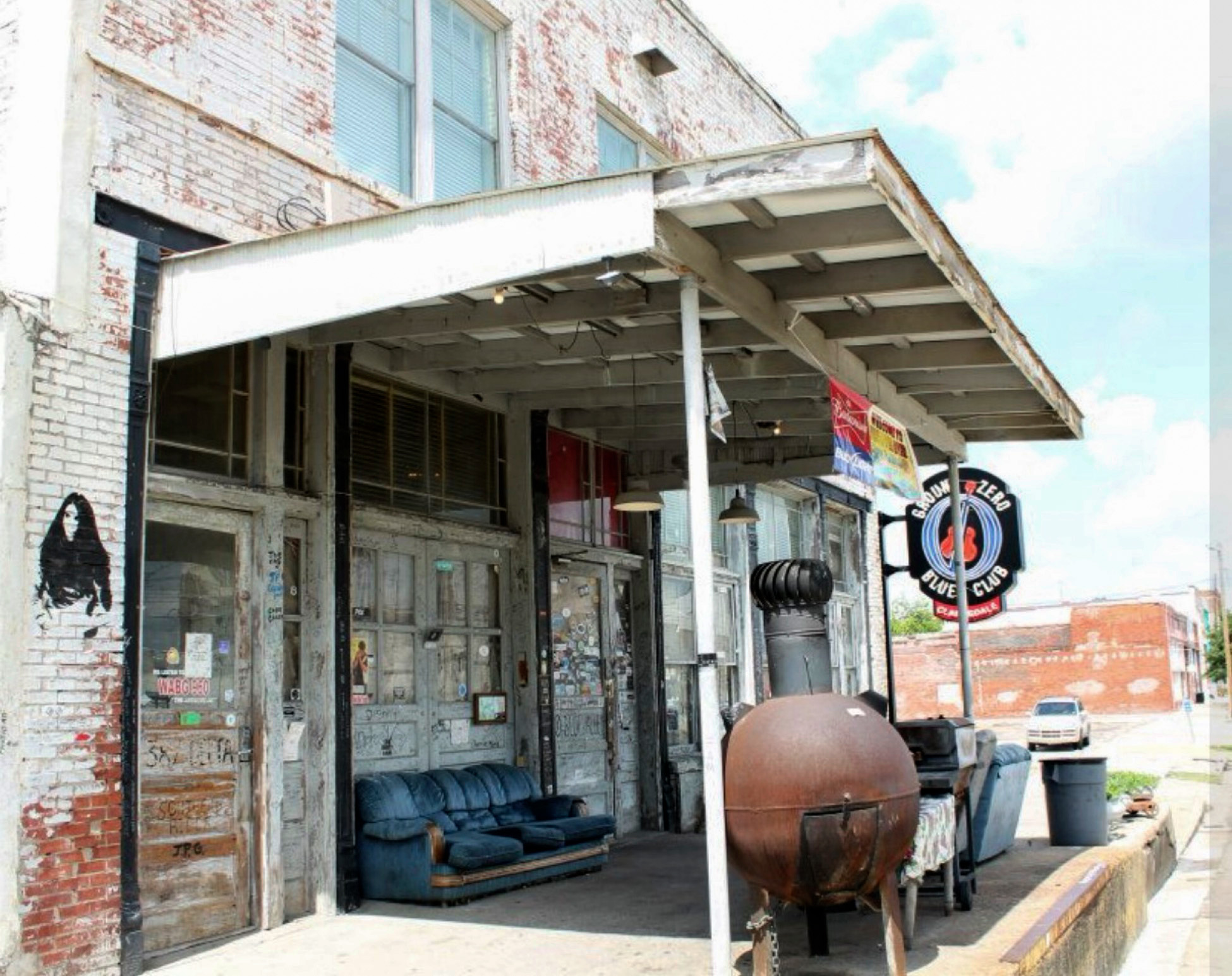
Figure 2. Ground Zero Blues Club.
Source: Photograph by the author
Sinners provides insight into cultural vulturism—the theft of a marginalized group’s culture for the profit and consumption of whites. In the film, this takes the form of the vampires who attempt to literally steal the musical talents and lives of the residents of Clarksdale, and the musical genius of the character Sammie. White appropriation of Black music and of the blues is well documented. But what is missing from the film’s commentary is an analysis of how little has changed in the region and how much cultural exploitation currently shapes Clarksdale, Mississippi.
Tourists flock to Clarksdale to observe its historical and contemporary significance as a centre of the blues, and the infamous crossroads where blues singer Robert Johnson reportedly sold his soul to the devil in exchange for his musical talents on guitar. This home of the blues is under the grips of a cultural tourism phenomenon that appropriates historically Black genres of music in ways that reproduce white supremacy for pleasure and consumption.
Located just on the outskirts of the town, Hopson Plantation is home to several entertainment spaces including a popular bar, event venue, and hotel. While the history of the plantation is described in vague terms on the business’s website as beginning from “a working commissary,” that “for generations… reflected the rhythms of work, innovation, and music that shaped the region,” it is in fact a former cotton plantation that held enslaved people, and later, sharecroppers.
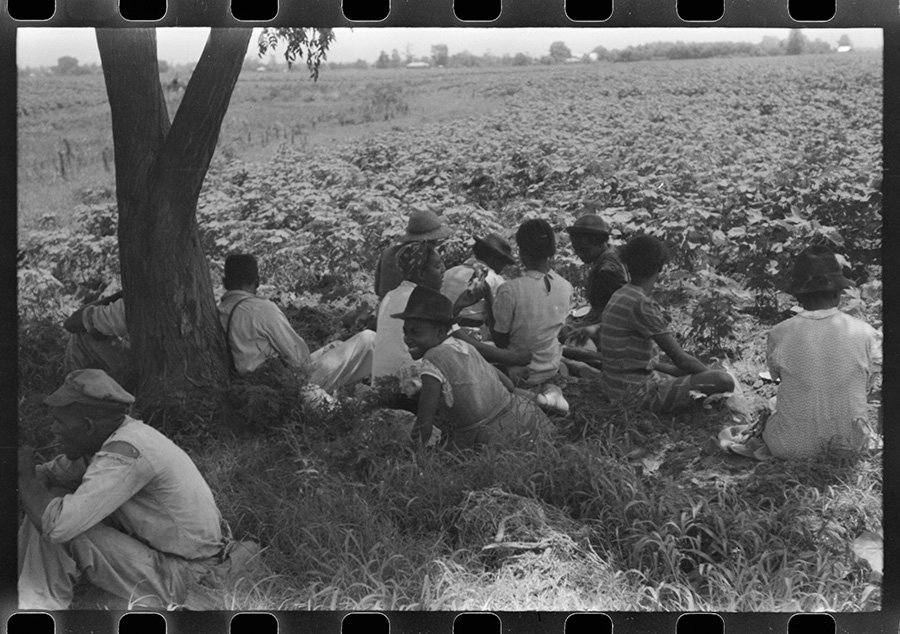
Figure 3. Black sharecroppers on the Hopson Plantation, near Clarksdale.
Source: Photograph by Marion Post Wolcott, Library of Congress
While much of Clarksdale remains segregated, from the schools to the businesses, Hopson makes clear who its ideal audience is through spoken and unspoken social rules. In the case of the bar, prominent displays of white supremacy including a dated state flag that still bears the flag of the Confederacy make clear who does and who does not belong.
Perhaps the most egregiously example of racist blues cultural tourism is the motel on Hopson plantation named the Shack Up Inn. Visitors to this motel stay inside homes of sharecroppers. The establishment is eager to highlight patrons that the shacks are not slave cabins, and identifies them as “shotgun houses,” filled with “superstition… that ghosts and spirits are attracted to …because they may pass straight through them,” The website adds to the allure, claiming these homes are “a convenient symbol of life in the south.”
In Sinners, the vampires and their lust for Black music and culture are not the only villains. The local white supremacists work in tandem to bring about the downfall of the juke joint—the one space of authentic Black music and joy. Both groups are equally evil. Similarly, when people visit spaces of racism and white supremacy in Clarksdale as cultural tourists, they are not enjoying the chance to hear authentic music by local performers. These spaces offer people the opportunity to reenact racial violence; to be participants in the racial segregation of the region as patrons of all-white establishments in a racially segregated city that is 80% Black, and to experience history through the lens of white supremacy inside homes that perpetuated a system of violent economic disenfranchisement of African Americans. These tourists become like the vampiric character Remmick, seeking out culture as pleasure to be consumed and discarded.
In one particularly powerful scene at the end of the film and after vanquishing the vampires, the character Smoke guns down dozens of white supremacists who arrive to take back the juke joint they had sold him. After he kills them and while dying, he is reunited with his wife and daughter who live on in the afterlife. It is a radical message that champions the character’s redemption through the defeat of white supremacy by any means necessary.
Clarksdale is similarly undergoing a radical and redemptive transformation, embracing local, authentic experiences as a rejection of cultural appropriation. As a result of the film, Ryan Coogler has become invested in the revitalization of Black businesses and art in the city. In what is perhaps the best form to tell this story—horror— Sinners gives us not only a layered narrative that includes the beauty of the richness of Black history and music in Clarksdale, Mississippi and the hauntings of slavery’s afterlives but also a path out of the corruptive soullessness of cultural vulturism.