


Michael Rembis is an Associate Professor in the Department of History and the Director of the Center for Disability Studies at the University at Buffalo. His most recent book is Writing Mad Lives in the Age of the Asylum (Oxford University Press, 2024). You can read his article in the Journal of the Canadian Historical Association, vol. 36, no. 1 (2026) by clicking here.

Could you tell us more about how Clarissa Lathrop and others spread their reform message?
Clarissa Lathrop and many other asylum inmates shared their stories and advocated for reform. Insane asylums, as they were called, had been contested sites from the moment they opened their doors in the eighteenth century. By the 1830s, an increasing number of current and former asylum inmates were speaking out in public about their experiences of asylum commitment. They printed pamphlets, memoirs, memorials, and petitions, wrote letters to editors, and shared their stories in the press. Some spoke out in public. In the United States, some lobbied state legislatures, Congress, and the president, all to spread their message and enact legal reform.
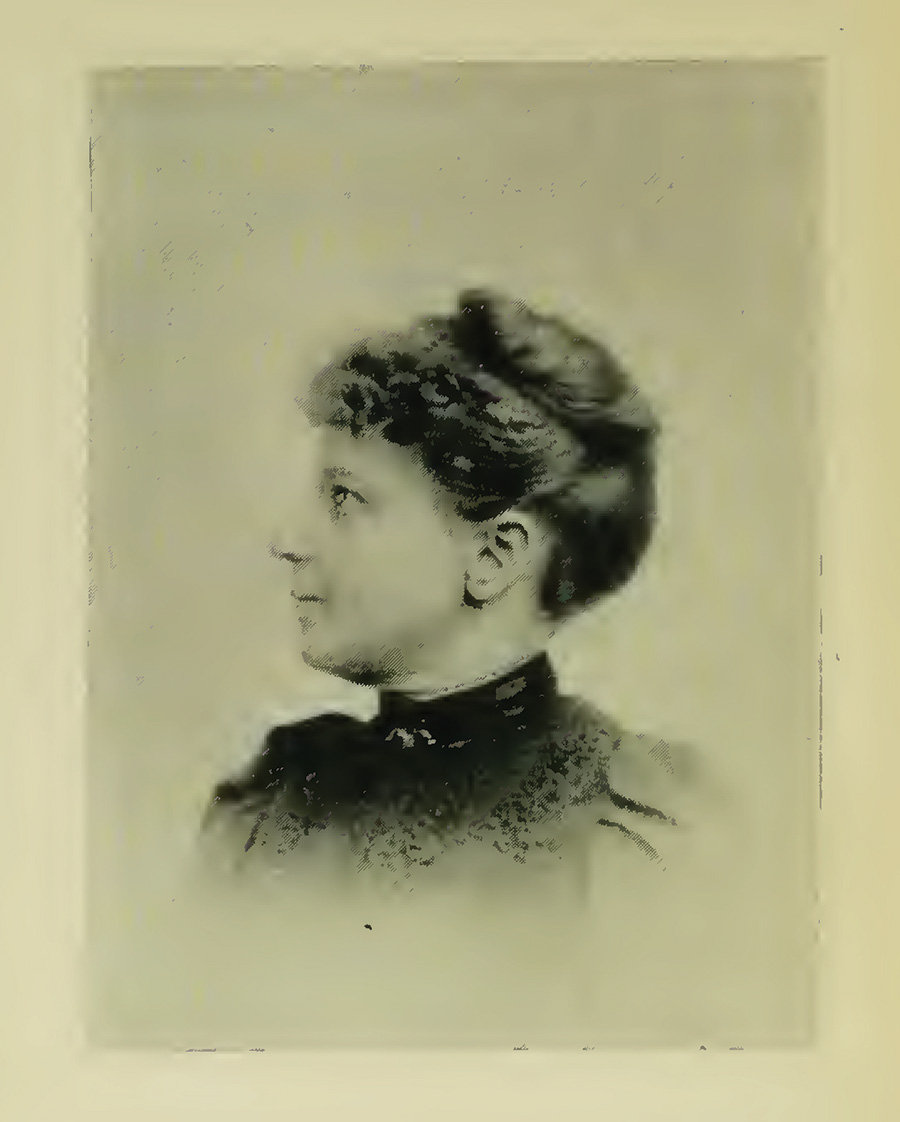
Figure 1: Portrait of Clarissa Lathrop.
Source: Clarissa Lathrop, A Secret Institution (New York: Bryant, 1890).
You used the term ‘gendered ableism’ to describe how Lathrop was dismissed as both a former patient and as a woman. Could you speak more about this idea?
For more than two decades, disability historians and disability studies scholars have been working to develop intersectional analyses that explore the ways in which gender, race, class, sexuality, and other markers of identity and social position interact with disability to shape embodiments and lived experiences. Clarissa Lathrop is a good example of this intersectional thinking. Her status as a well-respected (she was a schoolteacher) white woman, and someone who was considered mad or insane, shaped her lived experiences, including her confinement in the Utica asylum and her efforts to enact legal changes after she freed herself from the institution. I refer to this as a gendered form of ableism because Lathrop faced discrimination and dismissal precisely because she was a woman and mad – her written work, her testimony before the New York State Assembly, and her organizing were not taken seriously, and were actively resisted, by many of her contemporaries. This gendered ableism, I argue, also shaped her legacy. Until now, Lathrop had also been largely ignored or actively dismissed by historians and other scholars.
How does Lathrop’s story challenge continuing assumptions about people with mental illness?
So many people who identify as mad and neurodivergent have reached out to me to thank me for my research on Clarissa Lathrop, and the many other mad people who appear in my recent book, Writing Mad Lives in the Age of the Asylum. They commend the work for its empathetic engagement with mad people living in the past and tell me that it is the first time that they feel seen and heard and like they have a history. Lathrop’s story, and others like it, are so important because they show that mad people have been speaking out and advocating for change for centuries, and that although they have faced fierce resistance, they have also made real lasting change and gained many important allies along the way.
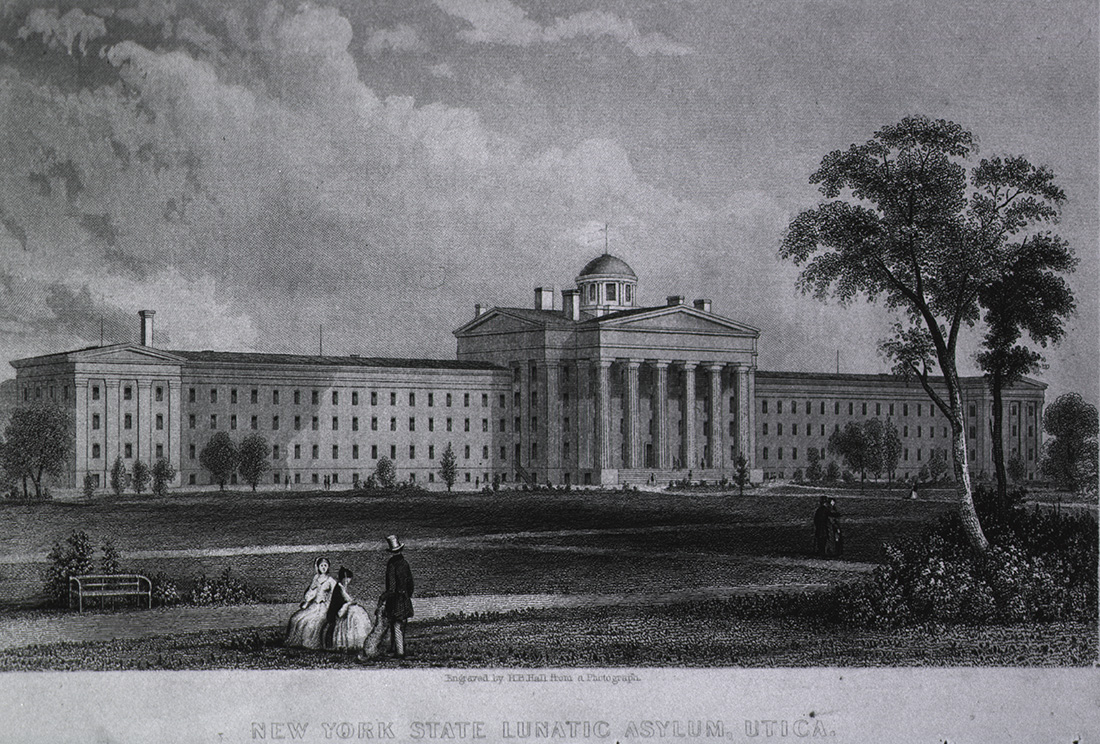
Figure 2: Engraving of the New York State Lunatic Asylum at Utica.
Source: National Library of Medicine.
What happened to the League and Union after Lathrop’s death?
This is a good question. In all my years of research, I was unable to turn up any significant evidence on the existence of the organization after Lathrop’s death. It seems that it disbanded after she was no longer around to lead it. But, as I argue, Lathrop was one of many mad writers who spoke out in public and advocated for reform. Her efforts extended well beyond her own lived experience and the existence of the League and Union. She and others laid important groundwork for twentieth-century mad activists.
Have you read anything good recently?
Ha. Good question. My teenage son and I like to write fiction together – it is something I did as a little kid and something that he and I started during the pandemic when he was only 10 years old. I like to read everything he reads, so a lot of historical fiction lately – some of which is pretty good. I have also done a lot of peer review this summer. I cannot mention those manuscripts. But I can say that there are many exciting disability histories that will be coming out in the next few years. One published book that I read recently that has stuck with me is Scot Danforth’s An Independent Man: Ed Roberts and the Fight for Disability Rights (University of California Press, 2025). It is a moving account of the disability rights icon that extends well beyond him to include a broad and colorful cast of characters.