

Author: journalassociate
-

Framing Nuremberg: Choices and their Consequences
The film’s focus on the relationship between Hermann Göring and psychologist Douglas Kelley offers cinematic appeal, but it leads to historical inaccuracies, particularly in its portrayal of the trials’ goals and the United States’ prosecution of Göring. The film emphasizes the Holocaust, overshadowing the trials’ broader scope and the Allies’ evolving understanding of Nazi atrocities.
-
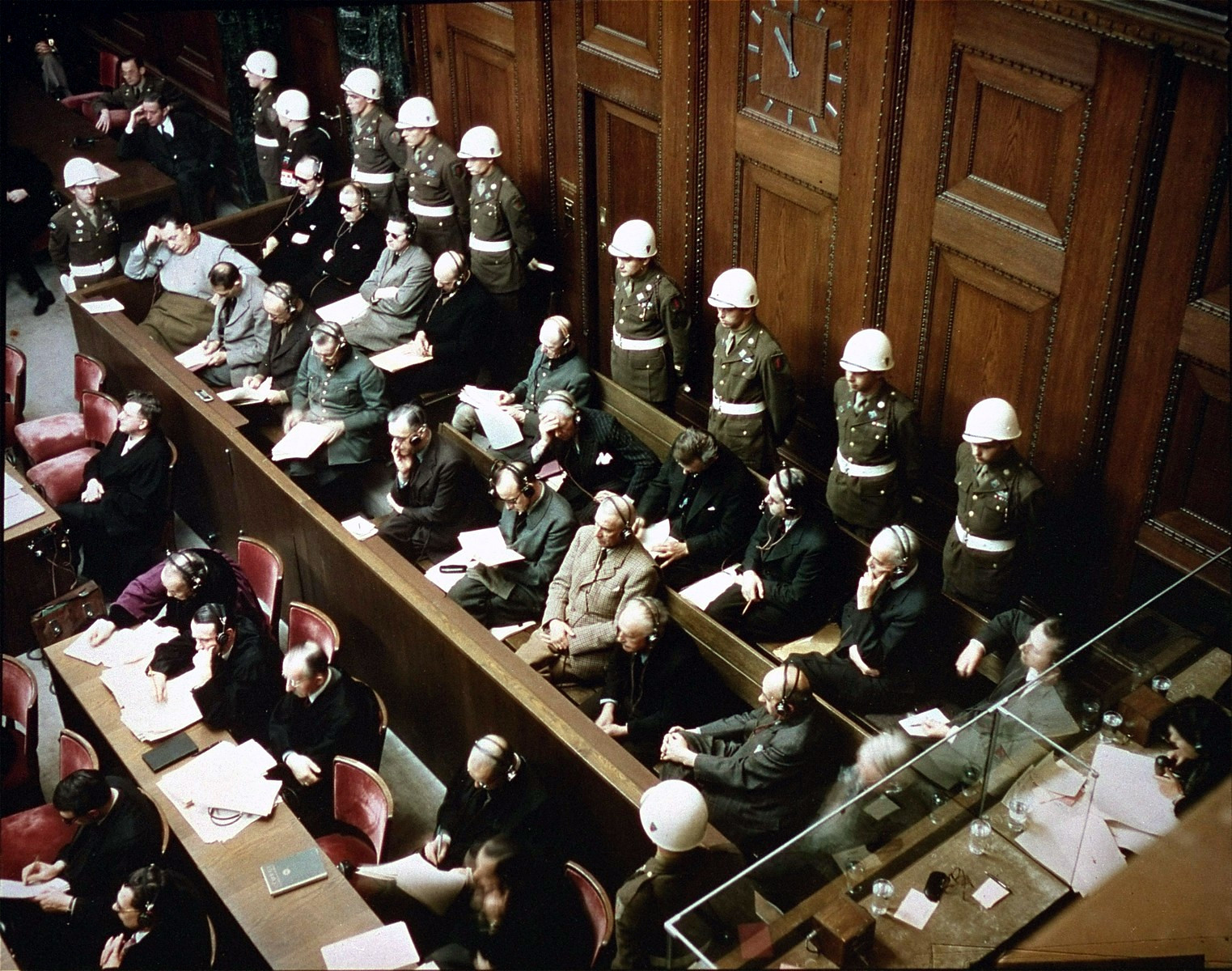
What does a mass-murderer look like?
Through the character of Douglas Kelley, the film suggests that even seemingly ordinary people can be capable of heinous acts. This portrayal serves as a cautionary tale, warning against the dangers of fascism and the potential for evil to arise from seemingly normal individuals.
-
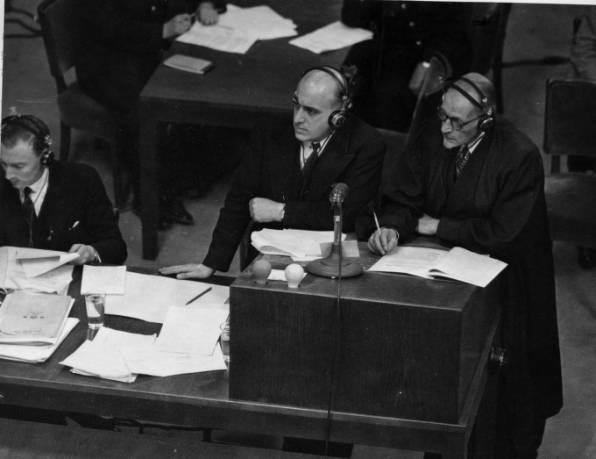
Evil is Not a Thesis
While the film effectively counters simplistic explanations of evil, it inaccurately portrays the trial, particularly the role of Kelley’s translator, Howie Triest. The film’s dramatization of a courtroom showdown undermines its main point about the ubiquity of evil and the need for a nuanced understanding of history.
-

Medievalism and Nostalgia for the Past in a Global Perspective
Exploring how the medieval world is understood and depicted in the modern is the relatively new subdiscipline of medievalism studies.