
AUTHOR
Hilary Earl
Nipissing University
Hilary Earl is a professor of history at Nipissing University. She is the author of The Nuremberg SS-Einsatzgruppen Trial, 1945-1958: Atrocity Law and History (Cambridge University Press, 2009) and co-editor of A Companion to the Holocaust (Wiley-Blackwell, 2020). She is currently working on the film Šķēde – Murder on the Beach.

There is a dramatic scene in the 2025 film Nuremberg, where rogue US Army psychiatrist Douglas Kelley (played by Rami Malek) secretly visits Hermann Göring’s wife, Emmy, in an attempt to better understand the imprisoned Reichsmarschall. The beautiful and trim Emmy is understandably suspicious of Kelley; after all, next to Hitler, her husband was the second most powerful man in Nazi Germany and was currently hidden away in Allied custody awaiting trial at Nuremberg. In the background we hear delicate piano music. Suddenly there is silence and a young girl enters the frame. She turns to the woman and innocently asks, “wer ist da, Mama?” (who is that, mama?).

Figure 1. Douglas Kelley
Source: https://allthatsinteresting.com/douglas-kelley – Public Domain
Emmy, smiles uncomfortably and explains, “he is a friend of your father’s.” Seven-year-old Edda then runs to the surprised Kelley, wraps her arms around him as if he were in fact her father, and the camera pans to Kelley’s reluctant embrace of the child. It is at this moment that Kelley lets down his preconceived ideas and accepts that the 52-year-old Reichsmarschall Hermann Göring (played by a corpulent and aging Russell Crowe), was loved. From that moment forward, Kelley is drawn into the private life of the Göring family, shuttling letters back and forth between the couple and even stepping in, on occasion, for the absentee and adored Papa. And lest there be any doubt that Göring is a good man, back at the prison Kelley and he share personal secrets, play cards, do magic, and even smoke cigars in Göring’s cell as the misunderstood prisoner awaits his day in court.
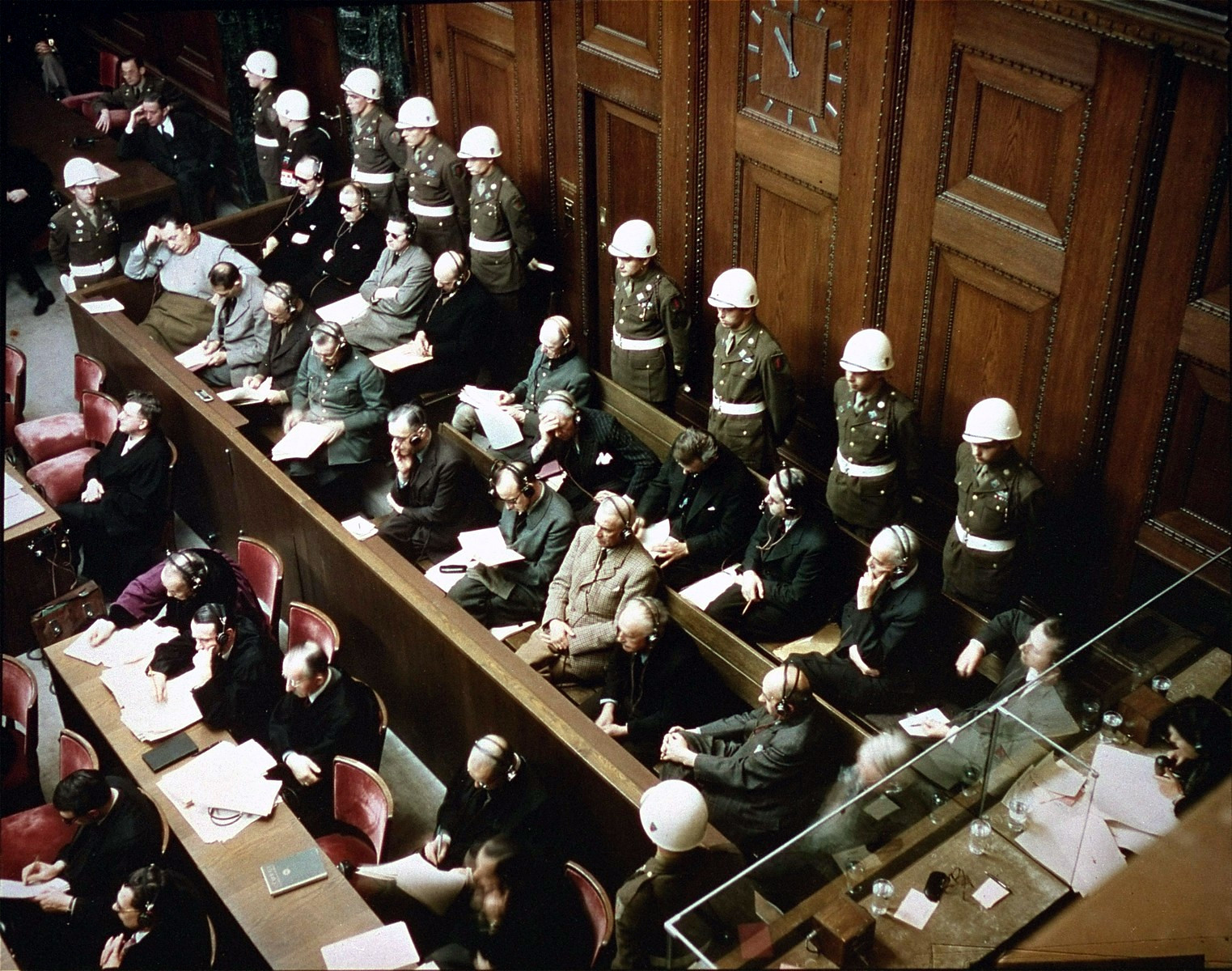
Of course, this is all a ruse, a narrative technique imagined by James Vanderbilt, the writer and director, to trick Kelley (and the viewer) into believing that Göring was a good man. Real drama ensues when Kelley discovers he misjudged the Reichsmarschall when the landmark trial at Nuremberg gets underway, and real footage from Nazi Concentration Camps depicting the barbaric human toll of German policy, is screened for the court. It is only when faced with hard evidence of mass atrocity that Kelley is forced to confront the fact that he was tricked (magic is at the core of the film and is worthy of further discussion as a narrative thread). The images were so barbaric and there were so many bodies “no one,” Kelley screams, “could not have known.”

Figure 2. Hermann Göring on trial at Nuremberg
Source: Wikimedia Commons
Was Göring evil after all?
Lots of people, as it turns out, believe the leadership of the Third Reich were monsters or madmen. They are most frequently characterized that way on film and in television. For instance, Steven Spielberg portrayed Amon Göth, the Commandant of Płaszow Concentration Camp, as a one-dimensional sadist in his mega hit Schindler’s List. Since killers do not behave like we do, most people, including filmmakers, assume they should also not resemble us. Even the astute Douglas Kelley, whose career was ruined by his final assessment that Nazis were “just like us,” originally misunderstood Göring’s zealotry as pathology. It took him many magic tricks before coming to the conclusion that good people can do bad things.
Nuremberg is the latest attempt by Hollywood to understand the crimes of the Third Reich, only this time it ventures into presentist territory. In offering a more complex portrayal of the Nazi hierarchy (even the rabid antisemite Julius Streicher is portrayed as human), Vanderbilt is holding a mirror to a nation currently under the spell of a charismatic leader whose behaviour and ideas, seem eerily reminiscent of those of the Third Reich.
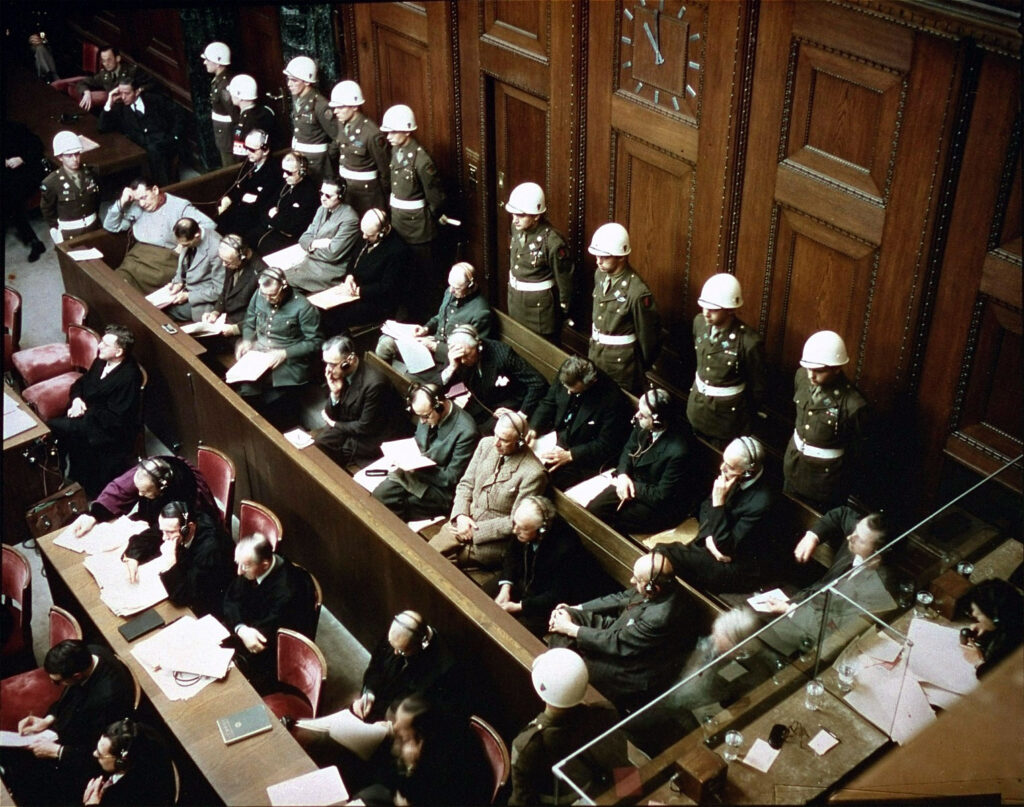
Figure 3. Nazi Defendants at the Nuremberg Trials
Source: Wikimedia Commons
Nuremberg is timely. War Crimes Trials are not only instruments of punishment they are also, as legal scholar Lawrence Douglas has so forcefully argued, didactic affairs. With Nuremberg Vanderbilt seems to be warning Americans of the dangers of fascism. “Evil can come from normal people,” even the worst Nazi perpetrators such as the twenty-two men in the dock at Nuremberg, many of whom were family men, were human-beings, capable of both love and zealotry, a combination that proved deadly to millions of people and hopefully will be averted in our own society.